
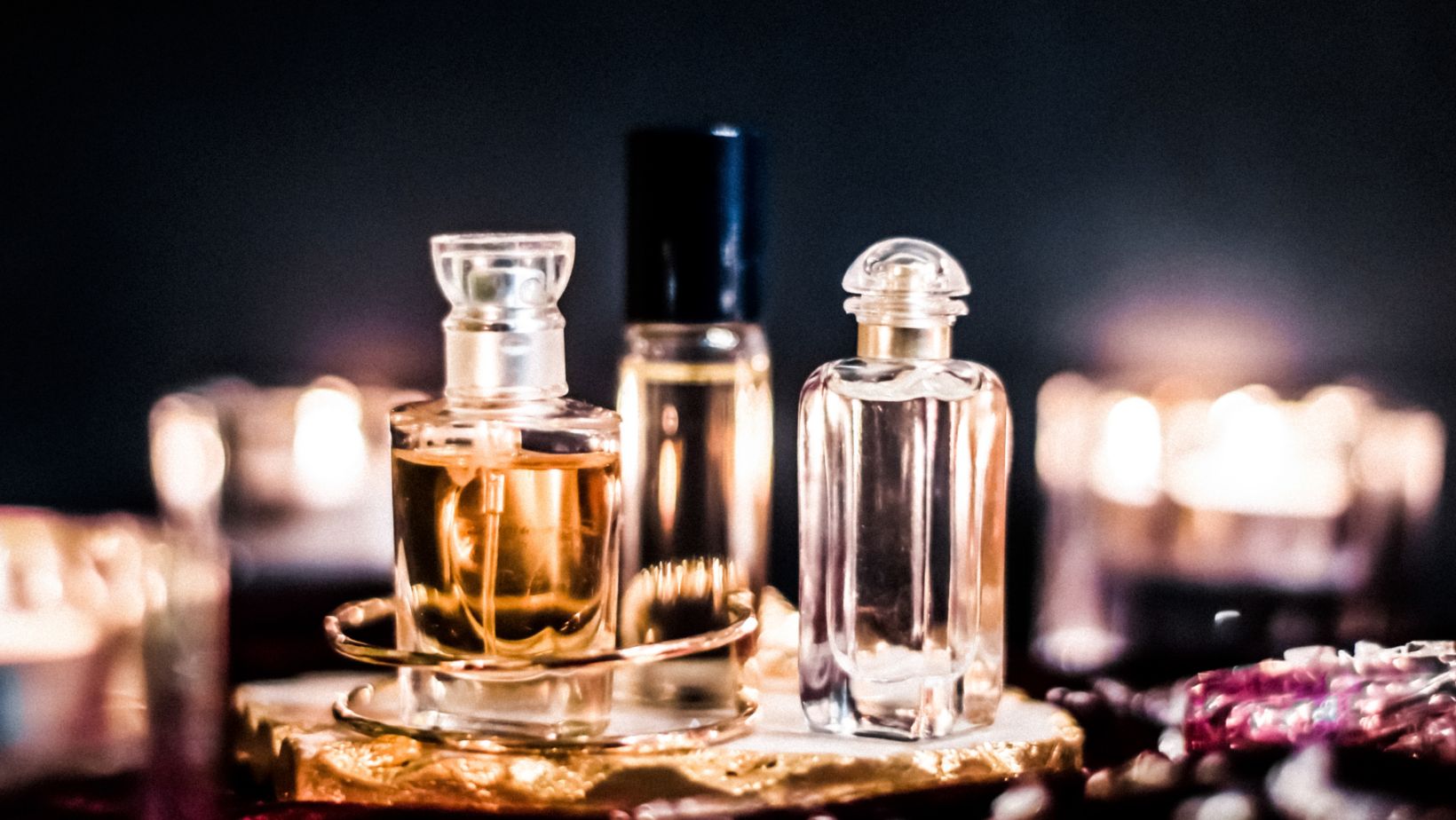
Creating a distinctive scent requires imagination, patience, and appropriate ingredients. The foundation of any perfume-making process is essential oils, which also form the building blocks for scent development. Learning how to make your own perfume with essential oils gives countless opportunities regardless of your level of experience with scent creation. These oils provide you control over the resultant product in addition to a great range of smells. Making a customized perfume mix that fits your taste and style requires knowledge of how to combine these oils.
Essential Oils and Their Function
Natural extracts taken from flowers, herbs, trees, fruits, and spices define essential oils. Many perfumes include them since they really smell like the plant. Three different kinds of these oils are distinguished by their volatility and smell character:
- The fragrance’s initial impressions come here. Fresh and light, they evaporate fast following application. Citrus oils, including lemon and bergamot, are among the examples here.
- These notes comprise the essence of the scent and have a more rounded form. Including floral or spicy smells like lavender or cinnamon, they can remain longer than top notes.
- Rich, long-lasting, woody, or resinous oils, such as sandalwood or patchouli, abound in these fragrances.

Selecting Accurate Oils for Your Blend
When choosing essential oils for your perfume, take personal tastes and fragrance profiles into account. Every oil smells uniquely and might arouse different feelings or recollections. By experimenting with several oils in various ratios, you will know that how to blend to your own liking. Knowing how to build your own perfume using these components will help you to produce absolutely unique aromas.
Design Your Signature Fragrance
Making a customized scent blend by combining essential oils is an interesting and artistic endeavor. Choose a couple of oils from each note category: top, middle, and base first. A well-balanced perfume often has a ratio of roughly 30% top notes, 50% middle notes, and 20% base notes.
- Test several combinations starting with little quantities.
- Let the perfume sit for a few days so the oils could completely mix and develop.
- Change the ratios as necessary to get the intended smell balance and strength.
- Making your own perfume calls for experimentation, and with every batch you will get closer to your ideal scent.
To know about how to make your own perfume with essential oils is a creative and satisfying endeavor. Following these guidelines and using several oils will open countless opportunities for you to create a scent specifically yours.
About the Author